The Power of Mystery in the Streaming Era
SEPTEMBER 2025
Read Article
↓
↓
Stories from the Other Side of the Vision
The modern music industry rewards visibility.
Artists are expected to post constantly. Algorithms favor frequency. The cycle of content never really stops—new singles, new visuals, behind-the-scenes clips, livestreams, interviews, updates.
The assumption is simple: the more visible you are, the more relevant you remain.
But a handful of artists operate in the opposite direction.
Instead of constant presence, they cultivate absence.
Few figures embody this approach more clearly than Gesaffelstein.
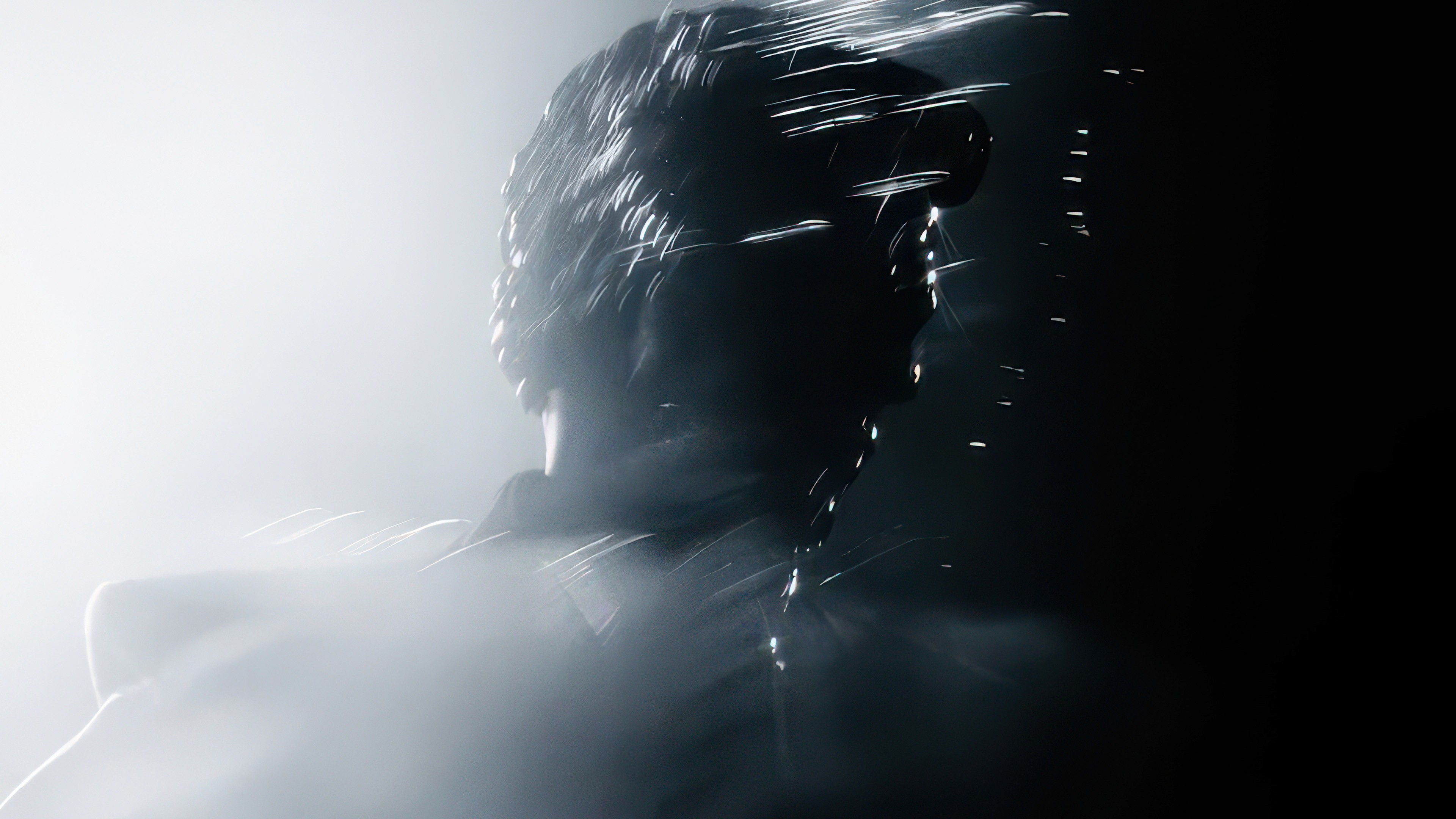
Throughout his career, Gesaffelstein has maintained an unusual relationship with visibility. Long periods pass without public appearances. Interviews are rare. Releases arrive without the typical flood of promotion. Even visually, his identity is carefully controlled—minimal lighting, stark environments, and the now-iconic chrome mask that obscures more than it reveals.
In an era built on exposure, that restraint feels almost radical.
And it works.
Because mystery creates gravity.
When artists are constantly visible, audiences quickly grow accustomed to their presence. The novelty disappears. Each new update becomes part of an endless stream of information competing for attention.
But when an artist steps back—when they allow space between appearances—something different happens.
Anticipation builds.
Silence allows imagination to fill the gaps. The audience begins to project meaning onto the work. A return becomes an event rather than another entry in the content feed.
This dynamic has deep roots in music culture. Artists like Daft Punk famously cultivated distance between themselves and the public, allowing their work and visual mythology to speak louder than their personalities ever could.
Mystique, in other words, isn’t an accident.
It’s a creative decision.
And in today’s digital environment, it may be more powerful than ever.
Because constant exposure has created a strange paradox: the more visible everything becomes, the more audiences crave something that feels rare.
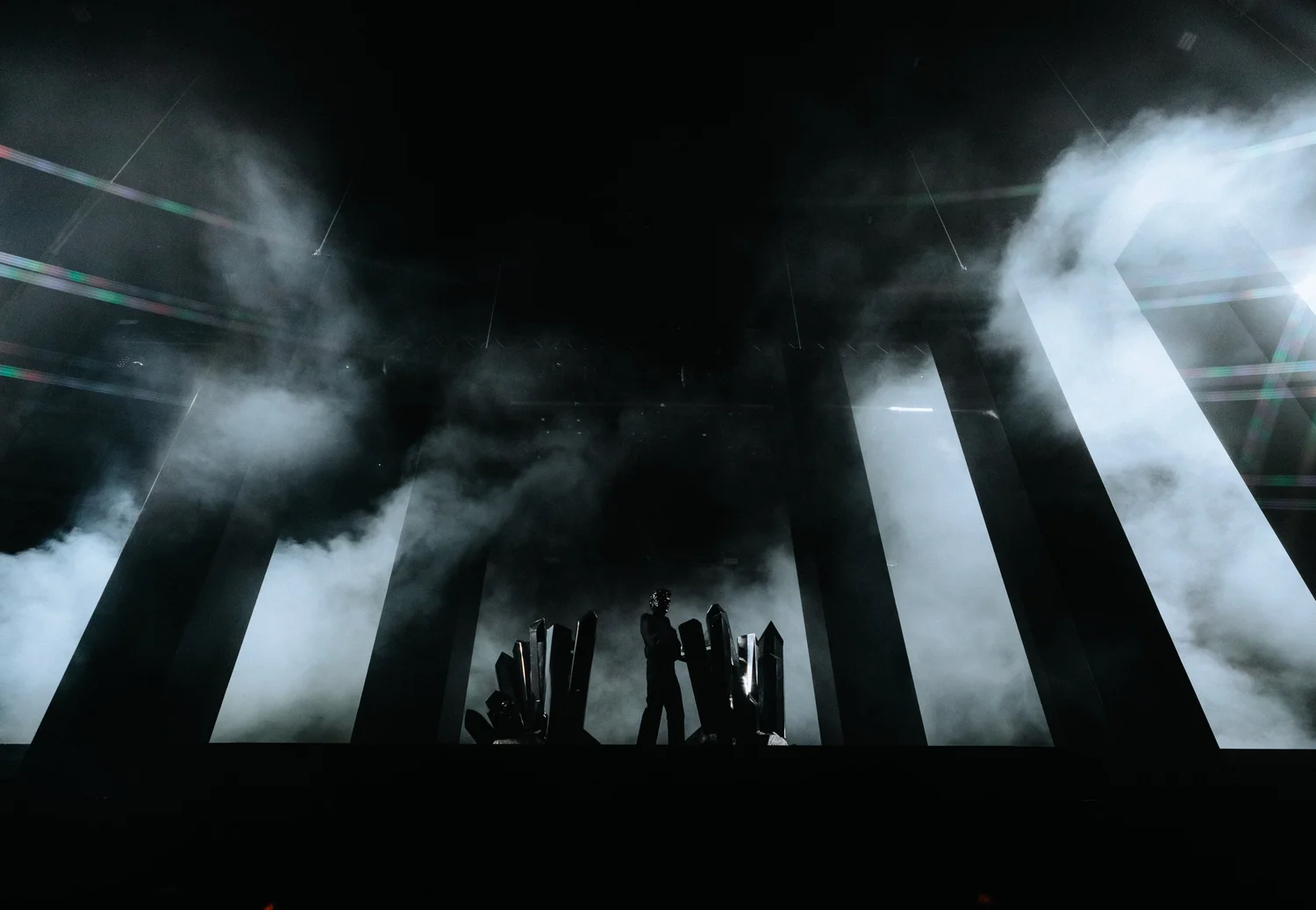
Gesaffelstein’s visual world reinforces this philosophy. His performances often feel less like typical electronic sets and more like controlled environments—industrial lighting, monochrome palettes, minimal movement, and a presence that feels closer to sculpture than celebrity.
The artist becomes a figure within the atmosphere rather than the center of spectacle.
The result is something closer to mythology than branding.
For creative studios working in music and live environments, this approach offers an important reminder. Impact doesn’t always come from doing more.
Sometimes it comes from doing less.
Restraint allows identity to sharpen. It forces every visual decision to carry meaning. And it ensures that when an artist does appear, the moment feels intentional.
In a culture built on constant output, mystery becomes one of the rarest creative tools available.
And when used carefully, it transforms presence into something far more powerful.
Not just visibility.
But intrigue.
SHARE ARTICLE